If you live with high blood pressure, diabetes, or another long-term condition, blood pressure checks probably feel like part of life. Sometimes routine. Sometimes stressful. And sometimes easy to forget until a headache or dizzy spell shows up. Here’s the thing. How and where you monitor your blood pressure makes a bigger difference than most people realise. Pharmacy blood pressure monitoring services sit right in the middle of convenience, accuracy, and human care. Not rushed like a busy clinic. Not lonely like checking at home without guidance. Just steady, supportive, and close to home.
Let me explain why these services matter so much, especially for patients managing chronic conditions.
First, What Does Pharmacy Blood Pressure Monitoring Mean?
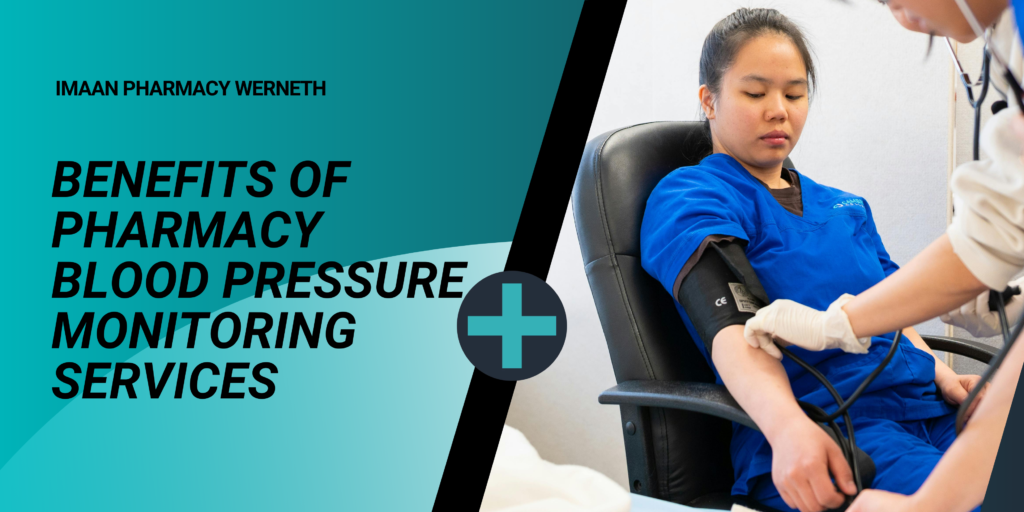
Pharmacy blood pressure monitoring means a trained pharmacy professional checks your blood pressure using clinically approved equipment. They don’t just note numbers and move on. They explain results, spot patterns, and guide you on the next steps when readings look off.
At community pharmacies like Imaan Pharmacy Werneth, this service fits naturally into everyday life. You pick up medication. You ask a question. You get your blood pressure checked. No long waits. No intimidating setting.
Honestly, that simplicity alone removes a lot of stress.
Why Blood Pressure Control Matters More Than You Think
High blood pressure rarely shouts. It whispers.
You may feel fine for years while silent damage builds up in the heart, kidneys, eyes, and brain. For people with diabetes, risk rises even faster. Blood vessels already deal with extra strain. Add uncontrolled pressure, and complications follow sooner than expected.
Regular monitoring helps you:
- Catch rising numbers early
- Track how medication works
- Adjust lifestyle habits before damage start
- Avoid emergency hospital visits
And yes, consistency matter more than perfection.
The Real Benefits of Pharmacy Blood Pressure Monitoring Services
Let’s talk about what patients actually gain, beyond textbook explanations.
1. Easy Access Without Appointment Stress
You know what? Booking GP appointments feel exhausting sometimes. Long waits. Limited slots. Missed work.
Pharmacies stay accessible. Many offer walk-in checks or same-day availability. That ease encourage regular monitoring, which improve outcomes over time.
Consistency beat intensity here.
2. Professional Accuracy You Can Trust
Home monitors help, but they come with issues. Wrong cuff size. Poor positioning. Faulty devices.
In a pharmacy setting, trained staff use calibrated equipment and correct technique every time. That accuracy matter when doctors make decisions based on your readings.
Reliable data lead to better care.
3. Immediate Explanation, Not Just Numbers
A reading of 145/90 mean little without context.
Pharmacy professionals explain what numbers mean, what range suit your condition, and when action become necessary. They answer questions you might feel awkward asking elsewhere.
That conversation build confidence. Confidence improve compliance.
4. Early Detection of Risk Patterns
One high reading may not worry anyone. A pattern over weeks does.
Pharmacy monitoring help identify trends early. Staff notice repeated elevation and guide you toward GP review before complications develop.
Early awareness save health, time, and money.
5. Better Medication Support
Blood pressure medication work differently for each person. Dosage, timing, and combinations matter.
Pharmacy monitoring connect readings with medication use. If pressure remain high, pharmacists flag concerns and suggest review. If pressure drop too low, they catch that too.
That balance protect you from side effects and under-treatment.
A Real World Example From Everyday Pharmacy Life
Let’s talk about something that happens often.
A 58-year-old patient with type 2 diabetes visits the pharmacy monthly for prescriptions. He feels “mostly fine” but skips GP checks due to work hours. During a routine pharmacy blood pressure check, readings stay consistently high over three visits.
The pharmacist explain the risk, record readings, and advise GP follow-up. Medication adjustment follows. Three months later, blood pressure stabilise, headaches stop, and kidney markers improve.
No drama. No emergency. Just timely intervention.
That’s quiet healthcare at its best.
Pharmacy Monitoring vs Other Options (Quick Comparison)
| Feature | Pharmacy Monitoring | Home Monitoring | GP Clinic Checks |
| Accuracy | High, professional equipment | Vary based on device | High |
| Convenience | Walk-in, local | High | Limited appointments |
| Guidance | Immediate explanation | None | Limited time |
| Cost | Often free or low cost | Device purchase | Free |
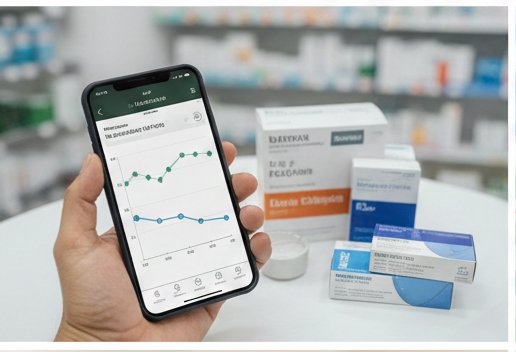
| Trend Tracking | Supported | Patient dependent | Infrequent |
This table tell a simple story. Pharmacies sit right in the sweet spot.
Emotional Benefits Patients Rarely Talk About
Let’s pause for a second.
Living with chronic illness wear you down mentally. Constant appointments remind you something feel “wrong” with your body.
Pharmacy checks feel different. They feel normal. Casual. Human.
You chat. You ask. You learn. That emotional ease reduce anxiety, which ironically help blood pressure control too.
Healthcare should feel supportive, not punishing.
How Pharmacy Services Support Long Term Condition Care
Pharmacy blood pressure monitoring doesn’t exist in isolation. It connect naturally with:
- Diabetes medication reviews
- Cholesterol advice
- Lifestyle guidance
- Smoking cessation support
- Weight management conversations
Everything links back to cardiovascular health. Pharmacies become quiet coordinators of long term care, especially for patients juggling multiple conditions.
That joined-up support matter more than flashy technology.
Why Community Pharmacies Feel More Approachable
You already trust your pharmacist. You see them regularly. They know your medication history. They remember your name.
That relationship encourages honesty. Patients admitto missed doses. They talk about stress, sleep, and diet. Those conversations shape better outcomes.
Honestly, healthcare work best when people feel seen.
Small Lifestyle Nudges That Make a Big Difference
During pharmacy checks, patients often hear simple reminders:
- Reduce salt intake
- Walk daily, even short distances
- Take medication at consistent times
- Manage stress where possible
These sound basic, yet repetition matter. Hearing it from a familiar professional reinforce behaviour gently, without judgement.
Frequently Asked Questions About Pharmacy Blood Pressure Monitoring
1. How accurate is pharmacy blood pressure monitoring?
Pharmacy monitoring use clinically approved equipment and trained staff. Accuracy stay high when compared to GP clinics and often exceed home readings.
2. How often should I check my blood pressure at a pharmacy?
Patients with hypertension or diabetes benefit from checks every two to four weeks, depending on stability and medical advice.
3. Can a pharmacist tell if my blood pressure medication work?
Yes. Pharmacists assess trends over time and relate readings to medication use. They advise GP review if readings stay uncontrolled.
4. Do pharmacy blood pressure checks replace GP visits?
No. They complement GP care. Pharmacy monitoring support early detection and ongoing tracking but do not replace medical diagnosis.
5. Is pharmacy blood pressure monitoring free in the UK?
Many community pharmacies offer this service free or at low cost. Availability vary, so ask directly at your local pharmacy.
Final Thoughts, Just Between Us
Blood pressure control doesn’t need to feel clinical, cold, or complicated.
Pharmacy blood pressure monitoring services offer something rare in healthcare. Accessibility with accuracy. Professional care with human warmth. Structure without pressure.
If you manage a chronic condition, these small, regular checks quietly protect your future.
For trusted local support, visit Imaan Pharmacy Werneth
Email: wernethpharmacy@imaanhealthcare.com
Sometimes the best healthcare sit right around the corner.