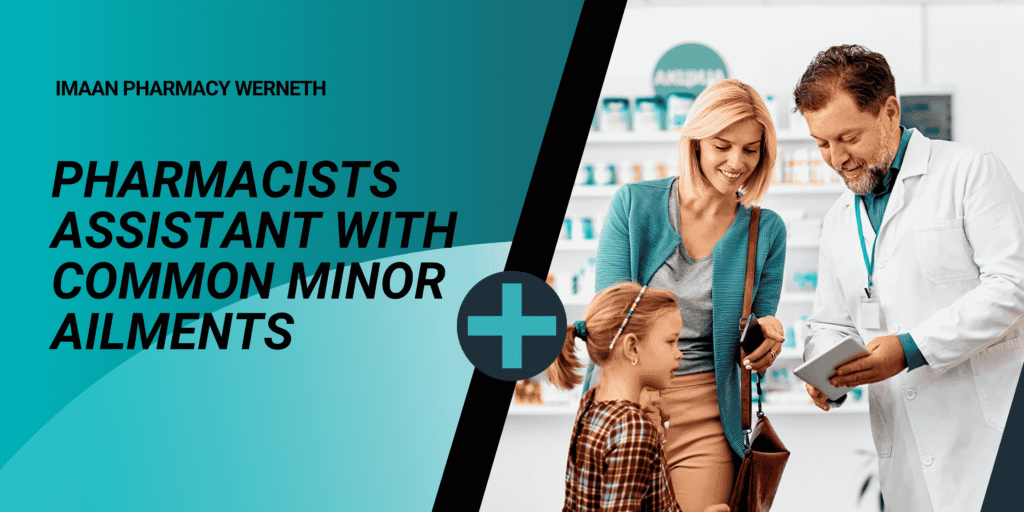
Most people don’t realise how often they can walk into a pharmacy and sort out everyday health worries without waiting for a GP appointment. And if you live with something long-term, like diabetes or high blood pressure, those small worries pop up more often than you’d like. A bit of a cough, a mild rash, and stomach discomfort. They seem small, but they slow you down.
That’s where pharmacists quietly take the pressure off.
At places like Imaan Pharmacy Werneth, the pharmacist is usually the first person who helps you make sense of what’s going on. They listen, ask the right questions, and guide you towards the right step. No forms. No waiting list. You simply walk in.
Let’s talk about how they help, what you can expect, and why this approach makes life easier for people with chronic conditions.
A Quick Truth. Pharmacists Do Far More Than Hand Over Boxes
It’s funny how many people still believe pharmacists only count tablets and check labels. If only it were that simple. Pharmacists spend years studying medicines, body systems, interactions, and clinical warning signs. They spot patterns that most people wouldn’t even think about.
When someone steps up to the counter with a cough, a rash, or stomach upset, the pharmacist isn’t guessing. They’re assessing. They’re connecting your symptoms with your medical history, the medicines you take, and the risks that come with conditions like diabetes or hypertension.
You walk in for a small problem. They give you a clear direction.
Minor Ailments Pharmacists Help With Every Day
Most of the issues people rush to a GP for can be handled in a pharmacy. For example:
- Coughs
- Sore throat
- Allergies
- Mild infections
- Rashes or itchy skin
- Mouth ulcers
- Constipation or diarrhoea
- Heartburn
- Low grade fever
- Small sprains or strains
None of these require a doctor unless they drag on or come with unusual symptoms.
A Real Story From The Pharmacy Counter
Here’s something that actually happened at Imaan Pharmacy Werneth.
A woman in her late forties, who also had high blood pressure, walked in complaining of a tight chest and blocked nose. She had already picked up a decongestant from a supermarket the day before, thinking it was harmless. But the pharmacist saw her medication profile and immediately realised the product she used could raise blood pressure.
The pharmacist stopped her right away, explained the risk, and suggested a safer option that wouldn’t interfere with her condition. She later joked that she had “nearly given herself trouble over a cold”.
Small interaction. Big relief.
This is what makes pharmacy care so essential. They don’t just treat symptoms. They protect you from making the wrong choices.
Why This Matters More for People With Chronic Conditions
If you’re managing diabetes, asthma, heart problems, or any other long term issue, every small symptom feels heavier. Sometimes it’s harmless. Sometimes it’s the start of something bigger. It gets confusing.
Pharmacists make that decision easier. They help by:
1. Checking medicine safety
Many over the counter medicines aren’t suitable for chronic patients. Pharmacists make sure what you take is safe.
2. Spotting red flags early
They’ve seen hundreds of cases. They know when a simple cough might mean something more.
3. Reducing unnecessary GP visits
Not everything needs a doctor. Pharmacists help you avoid extra appointments.
4. Giving guidance tailored to you
They understand how long term conditions change the picture.
For many patients, this support becomes part of their routine health care.
What Talking to a Pharmacist Actually Feels Like
People sometimes feel shy asking for help, but the conversation is simpler than you might think. It usually sounds like this:
“Where does it hurt?”
“How long has it been happening?”
“Are you taking anything already?”
“Do you have allergies?”
“Any medical conditions I should know about?”
It feels casual, almost like talking to a neighbour who knows what they’re doing. You feel heard, not rushed. And because pharmacists already see what medicines you take, the advice you get fits your situation.
You walk away with clarity. And sometimes, a bit of relief just from speaking to someone who understands health better than Google.
When Pharmacists Can Treat You on the Spot
There are plenty of times when the pharmacist can help immediately.
Allergies and sinus problems
They guide you to the right antihistamine or nasal spray and explain how to use it properly.
Stomach discomfort or indigestion
They help you understand whether it’s food-related, stress-related, or something you should monitor.
Mild infections
Depending on the local scheme, pharmacists can refer you for antibiotics or guide you on self treatment.
Minor aches or injuries
They help you choose pain relief that won’t clash with your medical history.
The goal is simple. Get you feeling better, sooner, without a long wait.
When They Tell You to See a GP Instead
A good pharmacist never leaves you guessing. If they think it’s serious, they’ll say so clearly. They’ll ask you to see a doctor or even visit urgent care if needed.
Examples include:
- Ongoing fever
- Sudden swelling
- Trouble breathing
- Symptoms that get worse
- Concerns related to diabetes or high blood pressure
- Anything that doesn’t match the usual pattern
Sometimes they even call your GP to arrange a review. They’re not just advisers. They’re gatekeepers who help you avoid complications.
A Small Side Note. Pharmacies Feel Different
Have you ever noticed how a pharmacy feels familiar even when you walk in stressed? You see everyday faces, small conversations, shelves you recognise, and people who don’t judge you for asking simple health questions. Patients with chronic conditions often say pharmacies feel more comfortable than clinics.
Maybe it’s the shorter wait. Maybe it’s the friendly nods. Or maybe it’s how pharmacists talk like real people, not like someone reading from a script.
And honestly, that makes a difference. Health feels lighter when the person helping you feels human.
What You Can Access at Imaan Pharmacy Werneth
If you want real support from people who know what they’re doing:
Imaan Pharmacy Werneth
https://imaanpharmacywerneth.co.uk/
Email: wernethpharmacy@imaanhealthcare.com
Walk in anytime for help with minor ailments, medicines, NHS services, and health checks. They’re part of the local community and genuinely help people feel better faster.
FAQs
1. Can a pharmacist treat minor ailments?
Yes. Pharmacists assess symptoms, offer safe treatments, and refer you when needed.
2. Do I need an appointment to see a pharmacist?
No. You can walk in anytime and speak to a pharmacist for quick help.
3. Is pharmacy guidance safe for diabetic or hypertensive patients?
Yes. Pharmacists check your medicines and make sure treatment is safe for your condition.
4. What symptoms should make me visit a doctor instead?
If symptoms worsen, last long, or come with pain, fever, or breathing trouble, see a GP.
5. Can pharmacists review my regular medications?
Yes. They provide medication reviews, help with side effects, and support long term treatment plans.