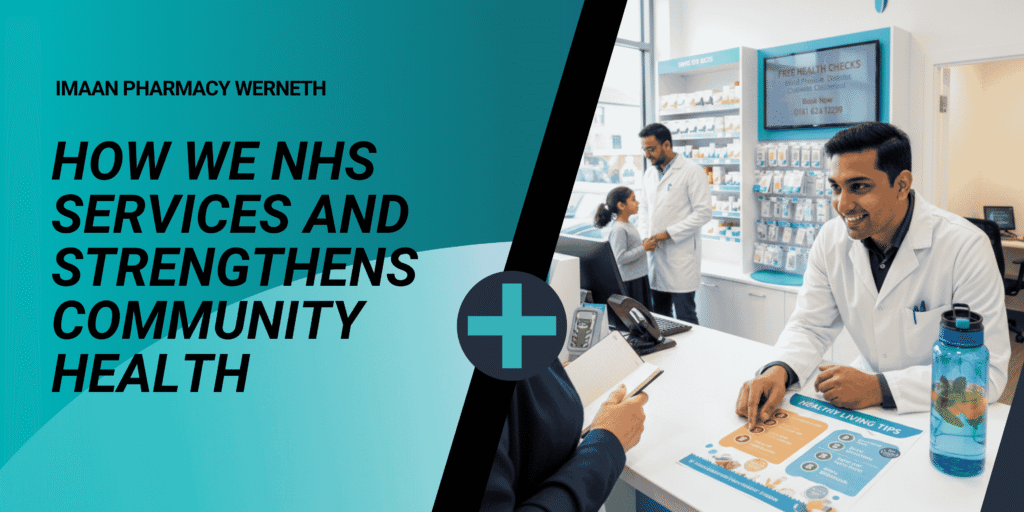
When you’re feeling unwell, the GP surgery is usually the first place that comes to mind. But there’s another option sitting right on your high street that many people overlook: your local pharmacy. Places like Imaan Pharmacy Werneth offer much more than prescription collections. They’re proper health centers working alongside the NHS to keep neighborhoods healthy.
Let’s look at what local pharmacies actually do and why they’re so valuable to communities.
Easy Access When You Need It
The best thing about pharmacies? You can just walk in. No waiting for appointment slots. No ringing at 8am hoping to get through. You’re dealing with a health niggle, so you pop in and speak to someone who knows their stuff.
This makes a real difference to how healthcare works. Minor problems get sorted at pharmacy level, which means GP surgeries aren’t overwhelmed with cases they don’t need to see. A&E departments stay free for genuine emergencies instead of being packed with people who just needed some advice.
Imaan Pharmacy Werneth has been doing exactly this for the local community. Whether you’ve got a cough that won’t budge, need help picking pain relief, or want guidance on a health condition, the staff are there.
Taking Work Off the NHS
Pharmacies now handle tons of jobs that used to mean seeing your doctor. Blood pressure checks, emergency contraception, help with quitting smoking, and sorting out minor illnesses. All of this is free through the NHS and saves everyone time.
Flu jabs are another big one. Popping into your pharmacy for a vaccination takes five minutes and protects vulnerable people in your area. No need to book time off work or wait for a GP slot.
These services might seem small, but they add up to thousands of hours saved across the NHS every year.
Making Sure Medicines Work Properly
Pharmacists know medicines inside out. They understand which ones don’t mix well, what side effects to watch for, and how to get the best results from your treatment.
When your doctor gives you a new prescription, it’s your pharmacist who explains the details. How many tablets, what time of day, and whether to take them with food. This stops mistakes from happening and helps the medicine do its job.
For anyone taking several different medications, this becomes really important. Pharmacists can check everything together to spot any problems. They work with your GP to adjust things if needed.
Building Relationships That Matter
What makes local pharmacies special is the personal side. When you use the same pharmacy regularly, people remember you. They know what conditions you have, what you’ve struggled with before, and when something doesn’t seem right.
At Imaan Pharmacy Werneth, this connection with the community runs deep. The team recognizes faces, understands local health issues, and makes sure everyone feels comfortable getting help regardless of their background.
These relationships catch problems early. Someone might mention feeling tired all the time, and a pharmacist who knows them realizes this needs checking out. These conversations happen naturally when people trust who they’re talking to.
Reaching People Who Struggle With Healthcare
Not everyone finds it easy to access doctors. Some work shifts and can’t get to daytime appointments. Others find it hard to travel or feel uncomfortable in medical settings. Language can be a barrier, too.
Pharmacies help with all of this. Extended hours, including evenings and weekends. Locations right in the community. A relaxed environment that doesn’t feel as scary as hospitals.
You can reach Imaan Pharmacy Werneth on 0161 624 1229 or email wernethpharmacy@imaanhealthcare.com.
Stopping Problems Before They Start
Good pharmacies don’t just treat illness. They help you stay well in the first place.
Pharmacists talk to people about healthy living, how to prevent disease, and ways to manage conditions better. They run awareness campaigns and help people understand their health better.
This prevention work is huge for taking pressure off NHS healthcare. When people look after themselves and spot warning signs early, they avoid needing serious medical treatment later on.
Growing Responsibilities
Pharmacies are taking on more work all the time. The NHS is finding new ways to use them for treating common problems, managing long-term conditions, and giving specialist advice.
This makes sense. Pharmacies are already trusted and easy to reach. They’re part of community life. They have the skills and the relationships to provide good care right where people live.
Local pharmacies support NHS healthcare by being there when people need them. They fill gaps, catch issues early, and keep the whole system working better. That’s something worth appreciating.
Frequently Asked Questions
Can I get prescription medicine without seeing my doctor?
For some common conditions, pharmacies can give you prescription medicines through NHS schemes without a GP visit. Things like skin infections and water infections can often be sorted at the pharmacy.
What health checks are available at pharmacies?
Most pharmacies check blood pressure, and many offer cholesterol tests, diabetes checks, weight management help, and sexual health services. Seasonal flu jabs are available too, all through the NHS.
How do pharmacists help with multiple medications?
They review everything you take to make sure it all works safely together. They explain what each medicine does, suggest better timings for taking them, and talk to your doctor about changes if needed.
Do I have to register at one pharmacy?
No, you can use any pharmacy you like. Using the same one means staff get to know you, but you’re free to go elsewhere when traveling or if you need a specific service.
When should I go to the pharmacy instead of the doctor?
Use your pharmacy for minor illnesses, questions about medicines, general health advice, and monitoring like blood pressure. See your GP for complex problems, getting tests done, or serious conditions that need investigation.